

Il Seicento e il Settecento
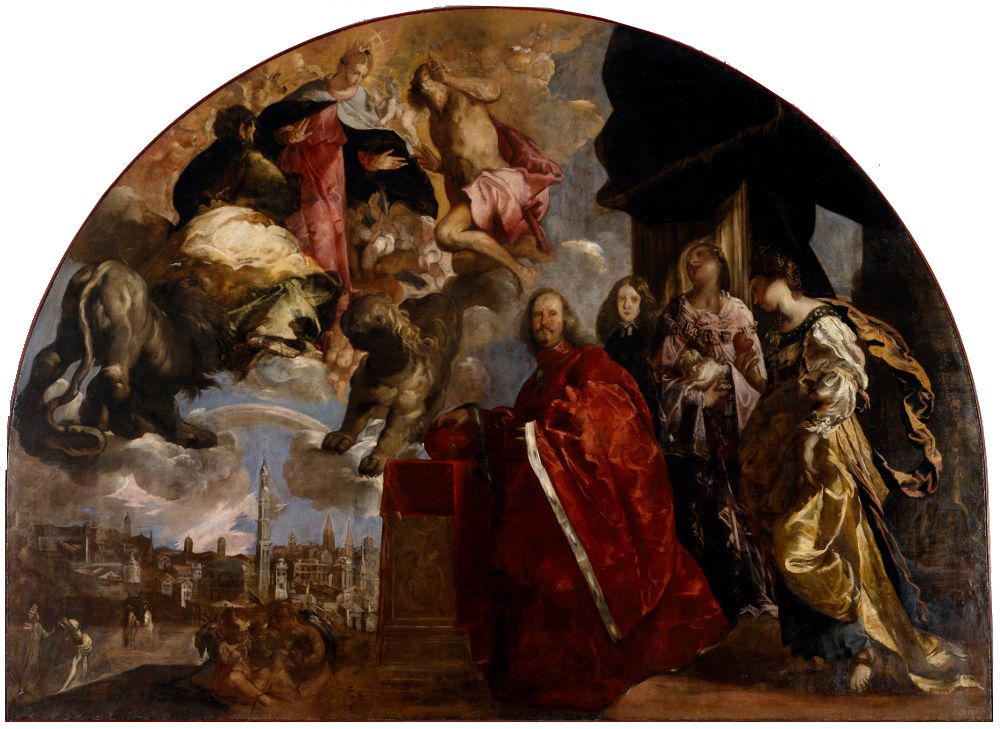
Dal 1580 al 1630 l’arte pittorica locale fu dominata dalla bottega tardomanieristica dei Maganza, artisti impegnati a realizzare prevalentemente opere di soggetto sacro per oratori e chiese vicentine. Gli anni segnati dalla terribile pestilenza del 1630 costituirono una svolta in ambito artistico, lasciando libero il campo ai protagonisti di un’autentica evoluzione della pittura vicentina: dal manierismo si passò alla teatralità barocca di Francesco Maffei e al classicismo di Giulio Carpioni, per giungere ad un “particolare eclettismo, nutrito di bizzarria e sapienza di copista” (Villa) di Pietro della Vecchia.
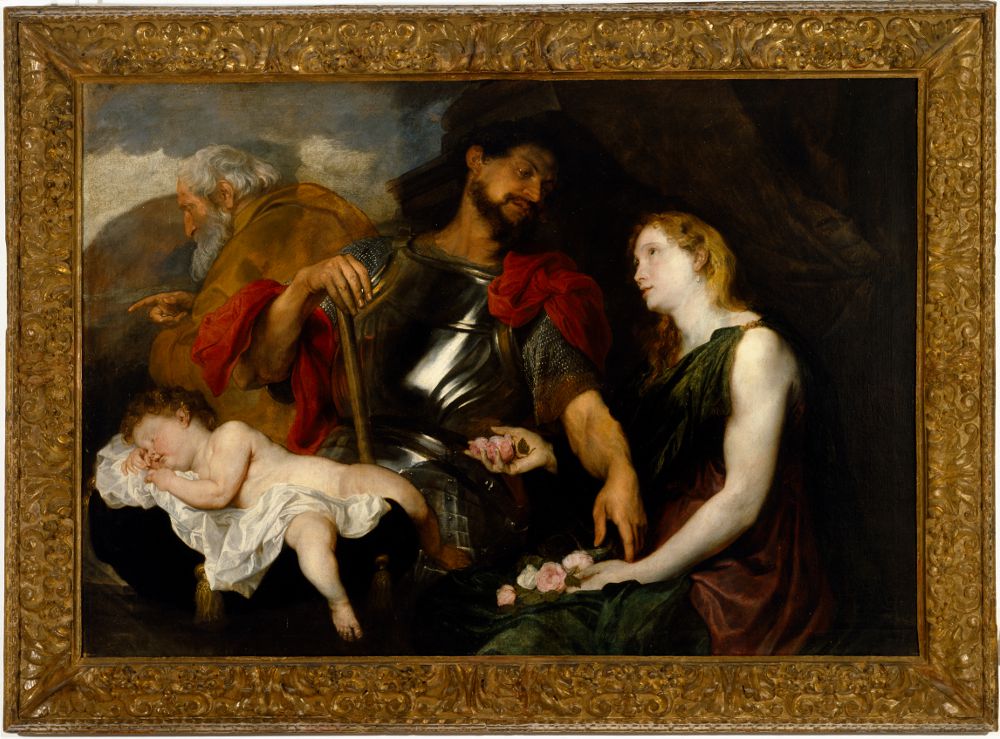
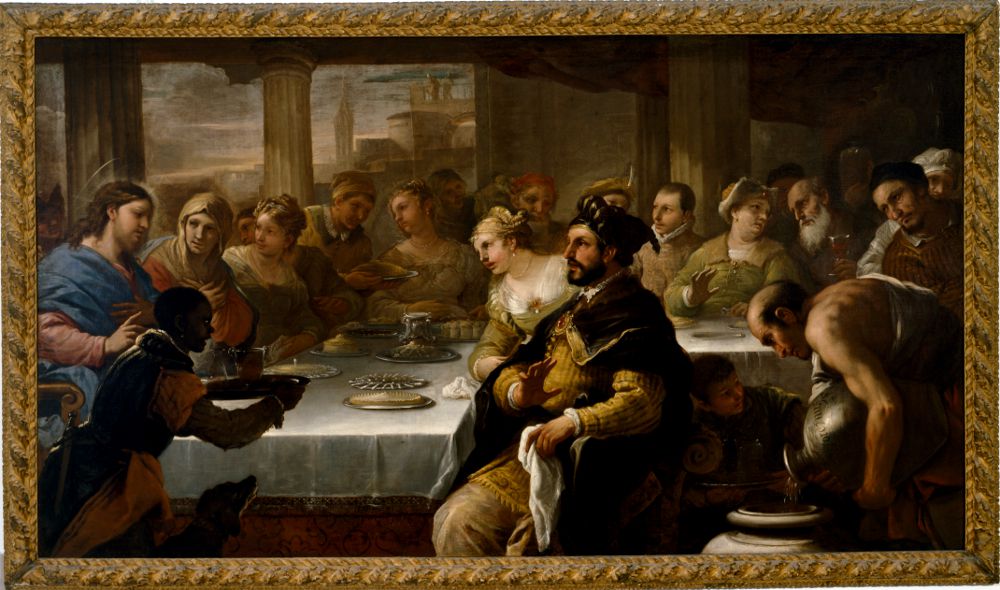
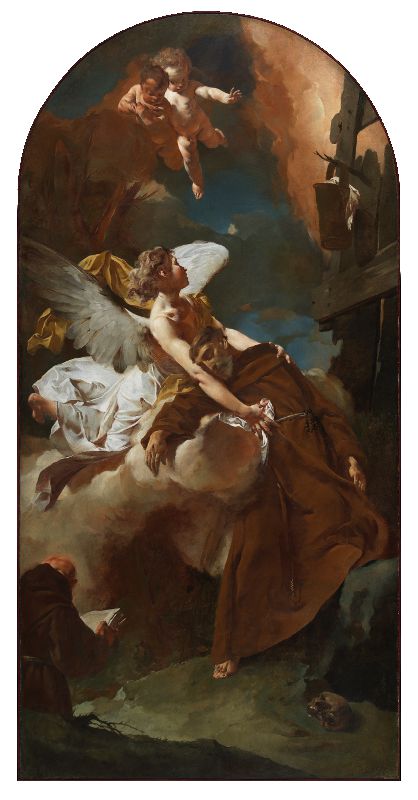
Nella pittura del Seicento il colore svolse un ruolo di primo piano, dando forma alle masse in forza della luce proveniente dall’oscurità degli sfondi: è questa la novità del linguaggio di Caravaggio, che prese piede in Italia e che affascinò anche gli artisti stranieri in visita nelle città italiane (tra tutti Antoon van Dyck, di cui il Museo conserva un eccezionale capolavoro, Inv. A 288). Il disegno recupererà importanza rispetto al colore negli anni successivi, grazie ad alcuni grandi pittori, tra cui il napoletano Luca Giordano che, attorno alla metà del Seicento, diede avvio a Venezia all’arte dei “tenebrosi”. L’intensa drammaticità e i forti contrasti chiaroscurali dei lavori di questi artisti, di cui esponente di spicco fu Giambattista Piazzetta (come dimostra la tela con l’Estasi di san Francesco custodita in Pinacoteca, Inv. A 105), lasceranno spazio, nel corso del Settecento, alla luminosità intensa e ai colori vivi e brillanti dei “chiaristi”. Le opere di Giambattista Tiepolo, tra cui l’Immacolata concezione del Museo vicentino (Inv. A 107), sono la testimonianza più alta di questo nuovo linguaggio.
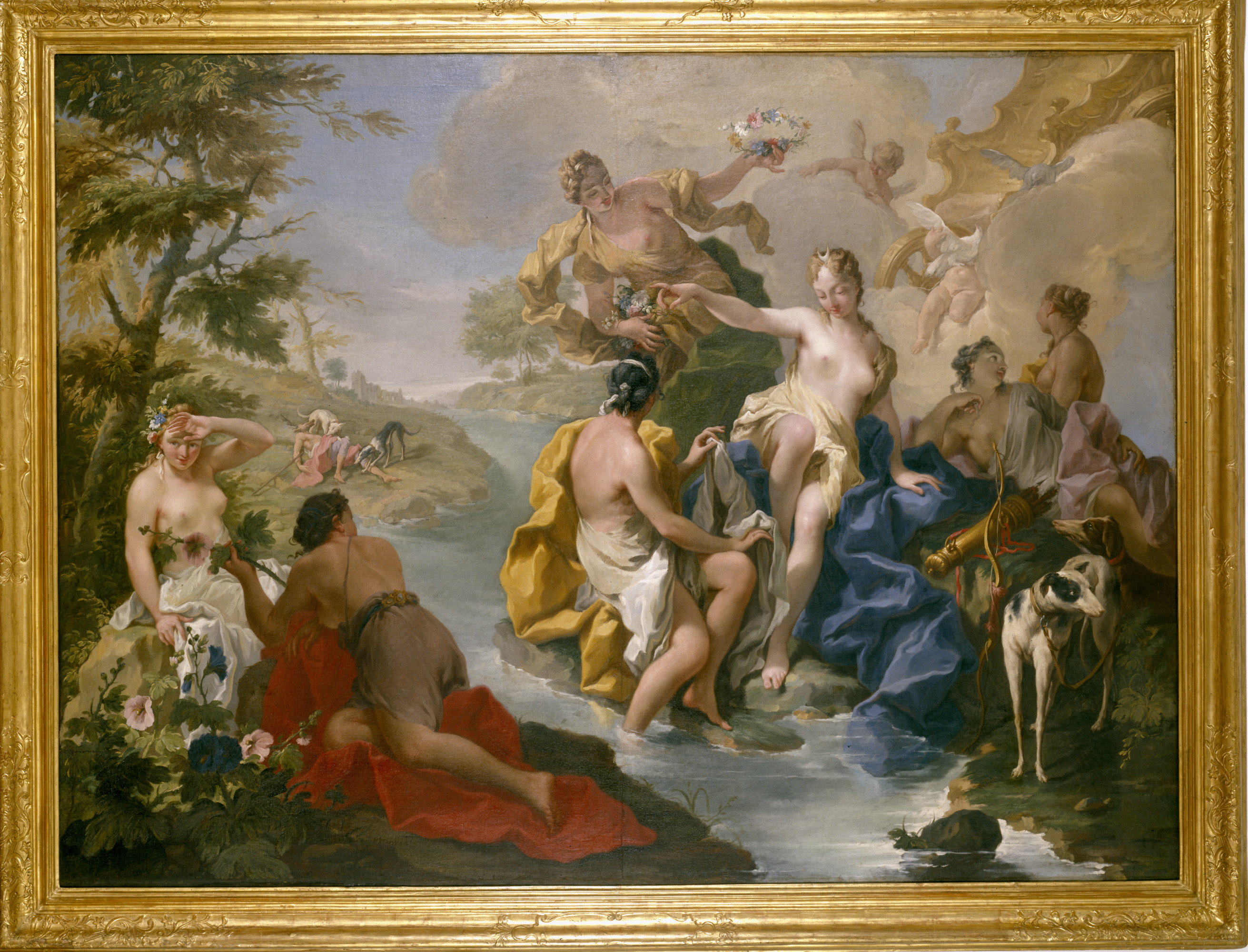
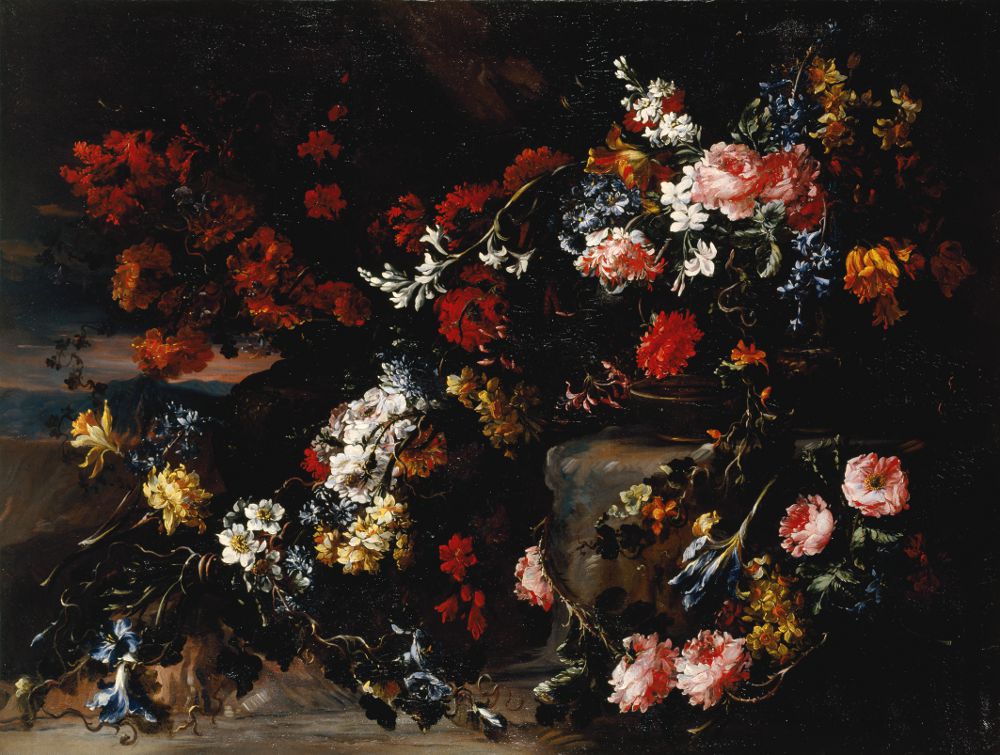
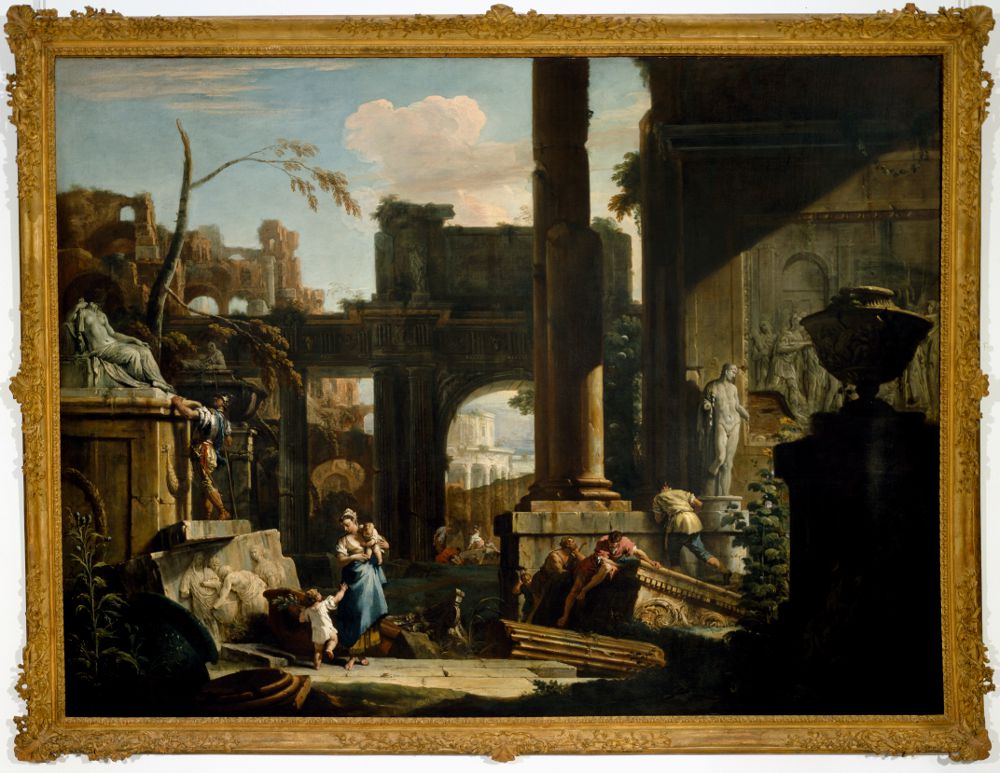
Tra Seicento e Settecento mutarono, rispetto alle epoche precedenti, anche i soggetti delle opere d’arte: non solo episodi sacri, ma anche scene storiche e mitologiche, immagini allegoriche e una serie di dipinti di “genere” - nature morte, battaglie e paesaggi - richiesti dai collezionisti privati per abbellire le loro sontuose abitazioni, come attesta la tela di Marco e Sebastiano Ricci conservata in Museo (Inv. A 269).
Galleria Immagini
 |
 |
 |
 |
 |
 |
 |
 |
 |
 |
 |
 |
- Carlo Saraceni Santa Maria Maddalena leggente
- Antoon van Dyck Le quattro età dell’uomo
- Pietro Della Vecchia Il chiromante
- Francesco Maffei San Vincenzo con il modellino della città di Vicenza
- Francesco Maffei Glorificazione del podestà Girolamo Priuli
- Francesco Cairo Erodiade con la testa del Battista
- Giulio Carpioni Suonatrice di chitarra
- Giulio Carpioni Glorificazione del podestà Vincenzo Dolfin
- Giulio Carpioni e specialista di “nature morte” (Jacobus Victor ?) (Amsterdam? 1640 circa - 1705) Allegoria della Fragilità
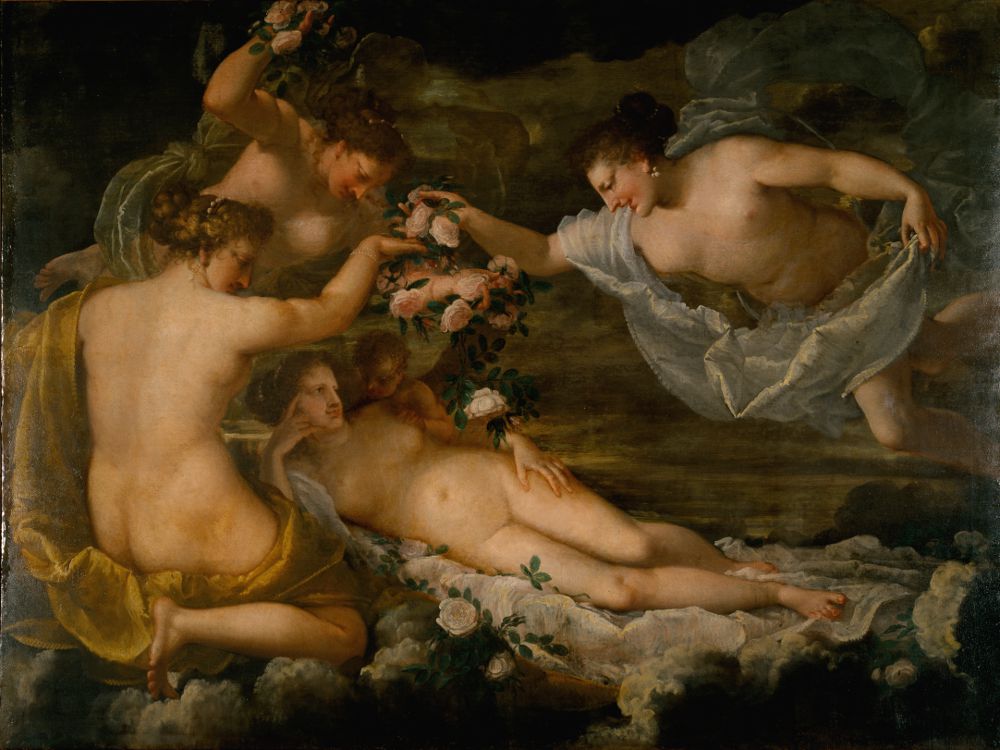
- Pietro Liberi Venere adornata dalle Grazie
- Cornelio Dusman Paesaggio con animali
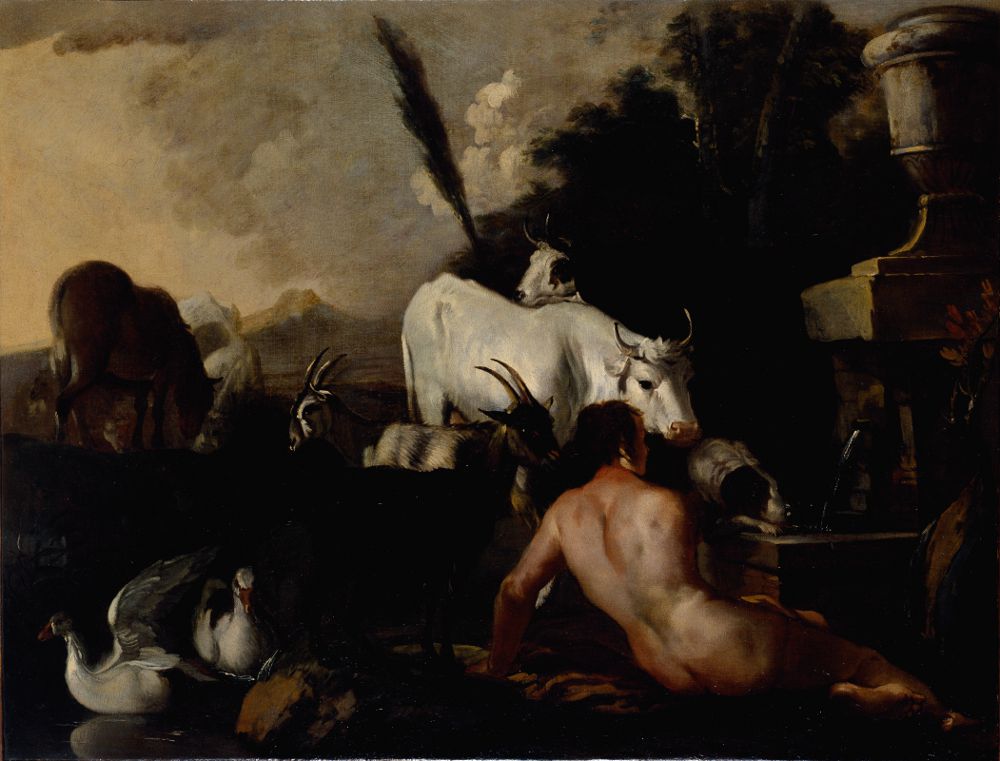
- Cornelio Dusman Paesaggio con animali e nudo
- Luca Giordano Nozze di Cana
- Luca Giordano Betsabea al bagno
- Jacob van der Kerckhoven, detto Giacomo da Castello Natura morta con frutta, pappagallo e conigli (Allegoria dell’Autunno)
- Louis Dorigny Andromeda
- Antonio Bellucci Continenza di Scipione
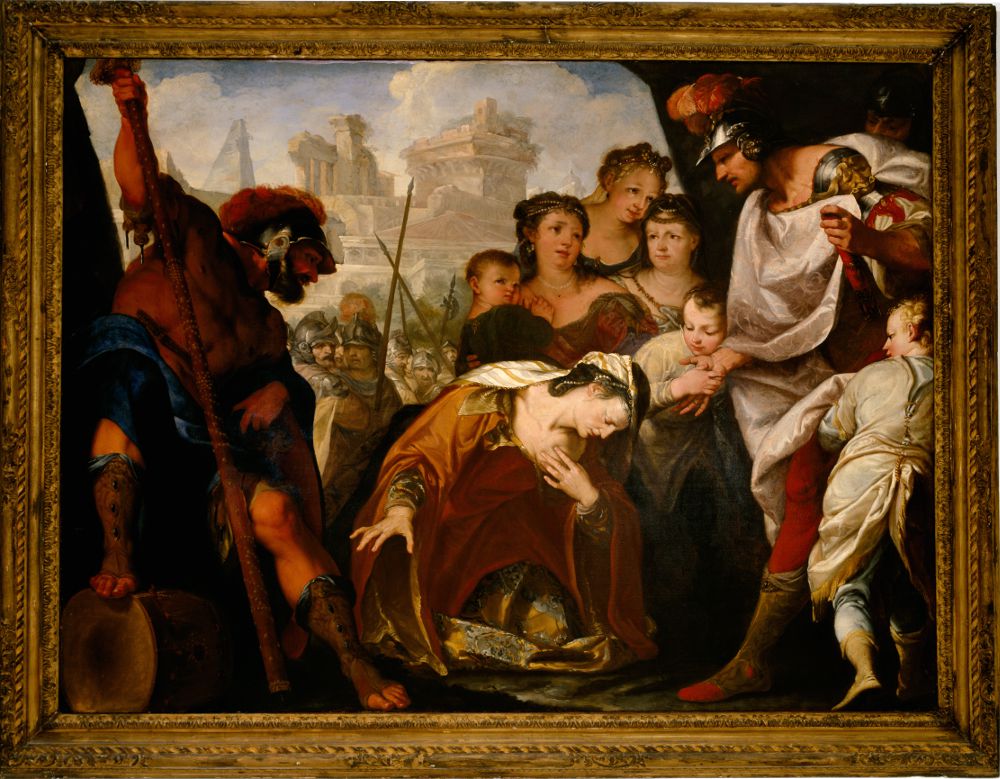
- Antonio Bellucci Famiglia di Dario dinanzi ad Alessandro
- Elisabetta Marchioni Composizione floreale con vasi e bacili
- Elisabetta Marchioni Composizione floreale con cesta e ghirlande
- Giambattista Piazzetta Estasi di san Francesco
- Giambattista Tiepolo Immacolata Concezione
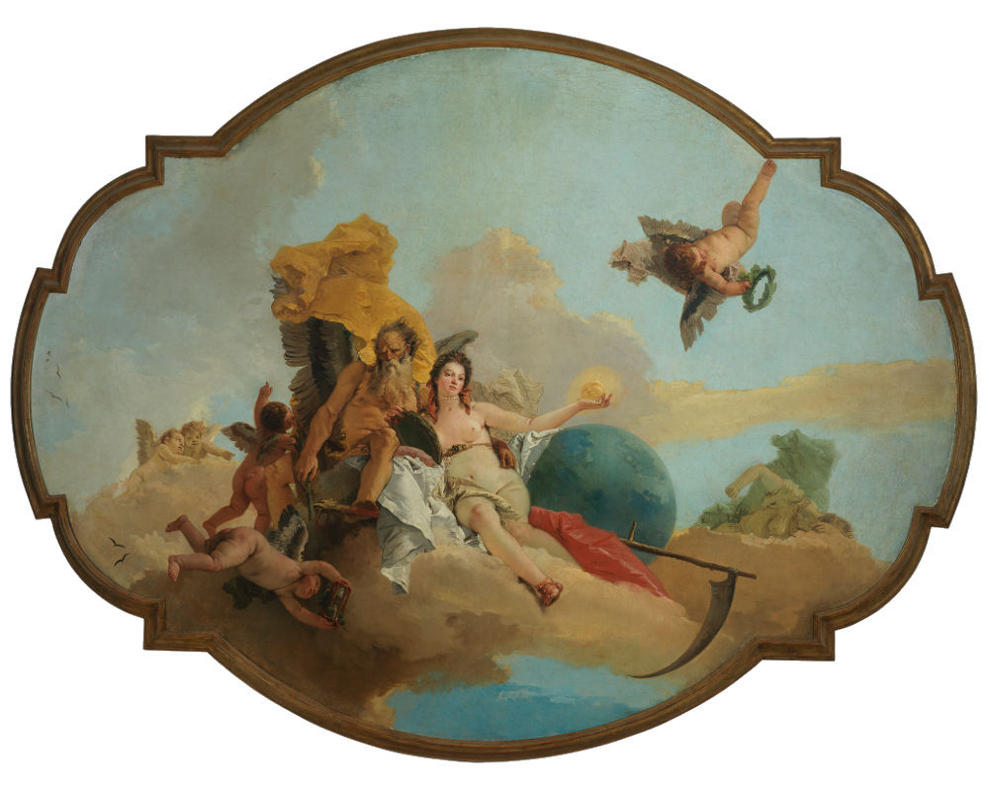
- Giambattista Tiepolo La Verità svelata dal Tempo
- Giandomenico Tiepolo Decollazione di san Giovanni Battista
- Giambattista Pittoni Olindo e Sofronia
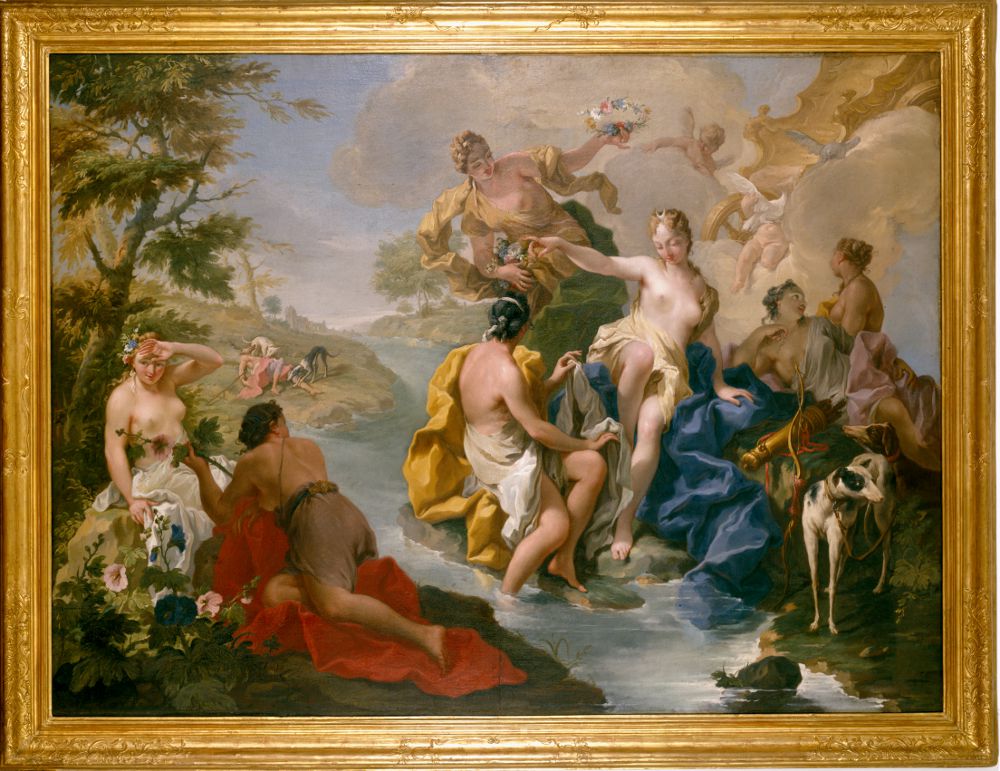
- Giambattista Pittoni Diana e le ninfe
- Giambettino Cignaroli Madonna con il Bambino e i santi Ignazio di Loyola e Luigi Gonzaga
- Orazio Marinali San Girolamo penitente
- Orazio Marinali San Giovanni Battista
- Bottega veneziana da un modello di metà del secolo XVI Battente in forma di Nettuno con due cavalli marini
- Bottega francese Allegoria della Primavera e dell’Estate
- Bottega francese Allegoria della Primavera e dell’Estate
- Vincenzo Coronelli Globo celeste
- Vincenzo Coronelli Atlante Veneto, Globo Terrestre
- Sebastiano Ricci e Marco Ricci Prospettiva di rovine con figure