

L’ultimo Quattrocento e il Cinquecento
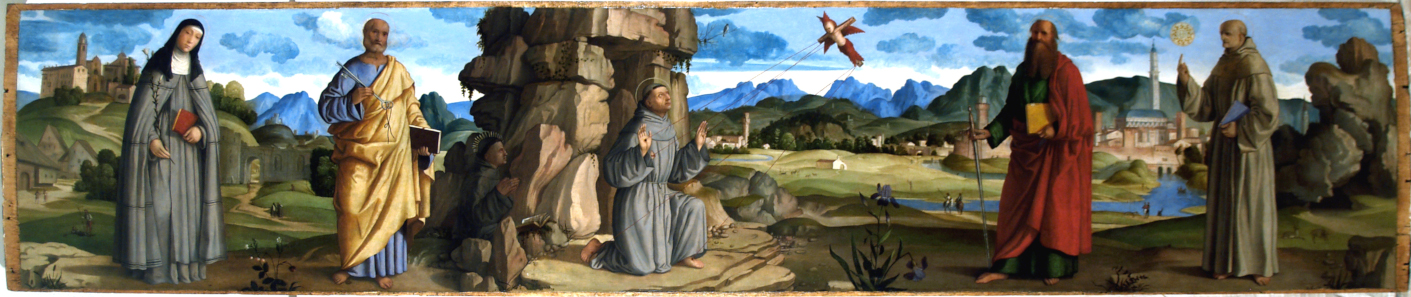
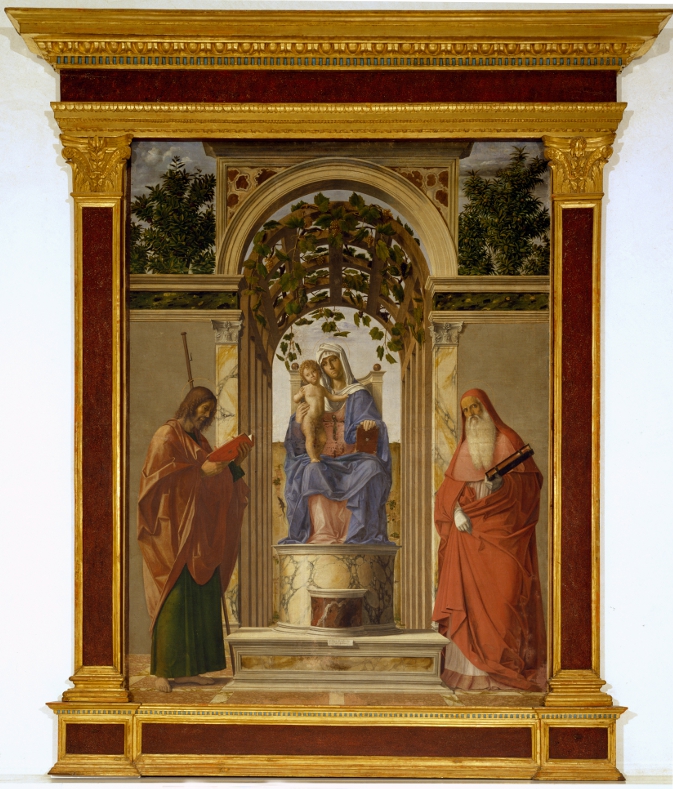
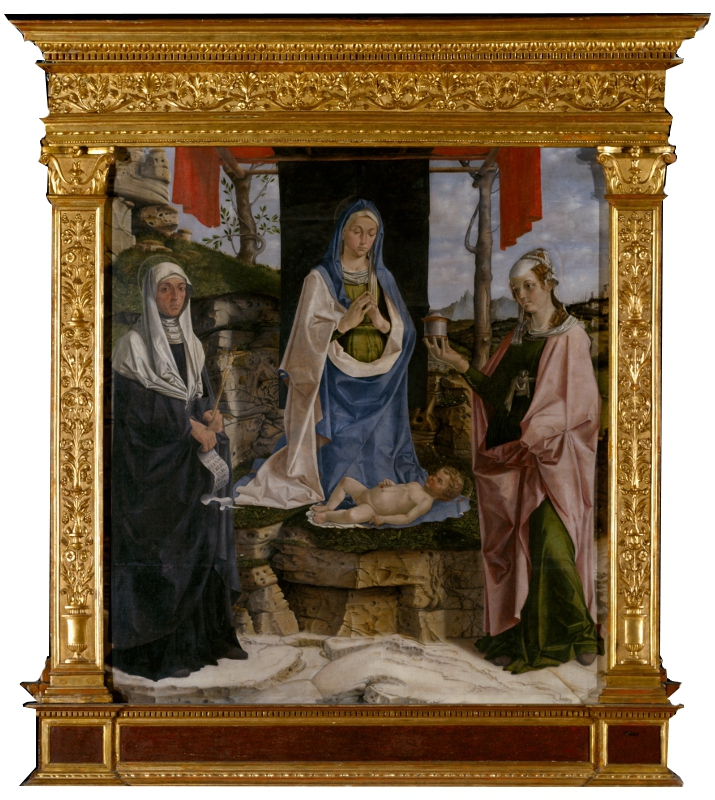
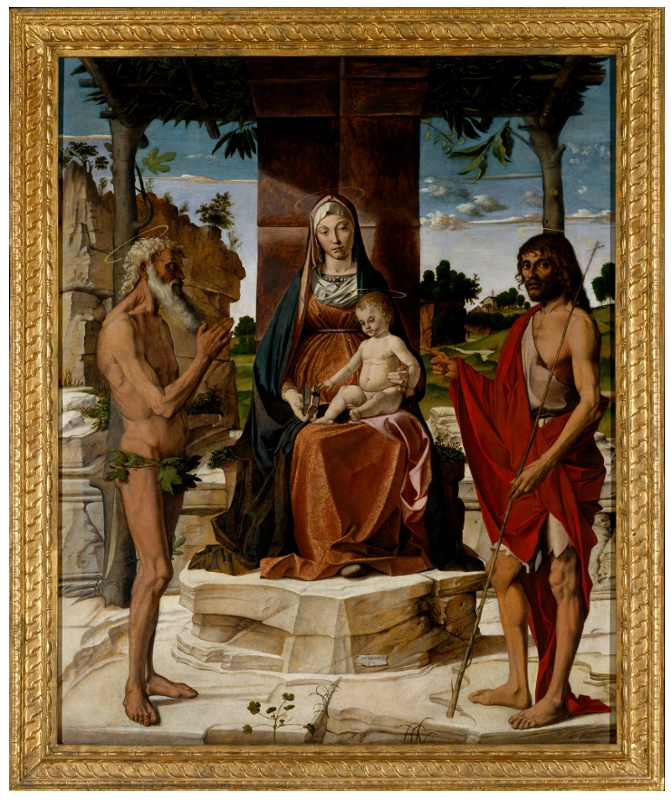
Negli anni che vanno dal 1480 al 1520 la pittura vicentina conobbe esiti straordinari e inattesi, che ebbero la loro più alta espressione nelle monumentali pale d’altare della chiesa di San Bartolomeo, attualmente conservate nella Pinacoteca civica. Questi grandiosi dipinti, insieme ad alcune altre preziose opere d’arte, riuscirono miracolosamente a salvarsi dopo che la chiesa e il convento ad essa annesso furono manomessi tra il Settecento e l’Ottocento, trasformati in strutture ospedaliere e poi rasi al suolo nel 1838. Si tratta di veri e propri capolavori realizzati da quegli artisti - Bartolomeo Montagna, Giovanni Bonconsiglio, Giovanni Speranza de’Vajenti, Giambattista Cima da Conegliano e Marcello Fogolino - che divennero protagonisti della pittura rinascimentale vicentina, inaugurata dallo stesso Montagna.
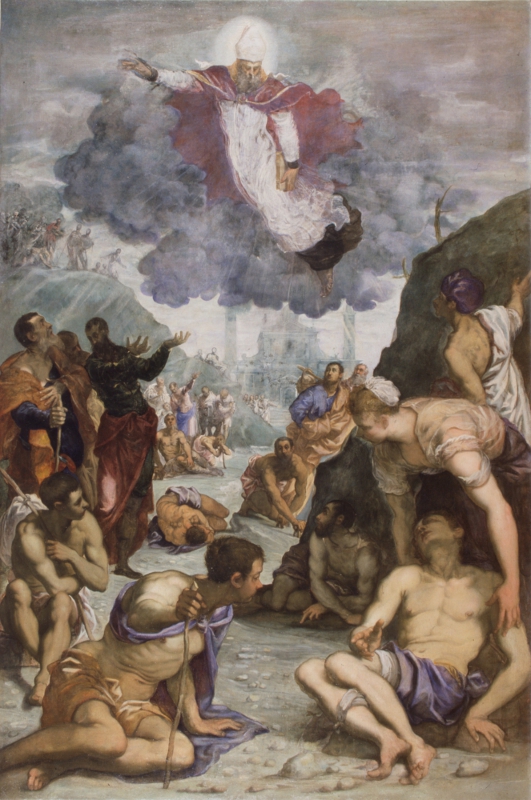
A partire dalla seconda metà del Quattrocento e nel corso del Cinquecento vennero dunque via via consolidandosi i tratti distintivi della cultura figurativa locale, costantemente aperta alle novità e alle suggestioni provenienti in particolare da Venezia. Proprio dalla città lagunare, dove erano attivi i più grandi interpreti della pittura veneta cinquecentesca (Tiziano, Tintoretto e Veronese), prese avvio, in campo pittorico, a partite dalla metà del secolo XVI, la cosiddetta “rivoluzione della luce”. Gli artisti cominciarono infatti a modellare le forme attraverso il chiaroscuro e l’accostamento di cromie dissonanti. Le opere di Tintoretto e Veronese presenti in Museo attestano con chiarezza come la luce fosse la vera protagonista della pittura di quel periodo.
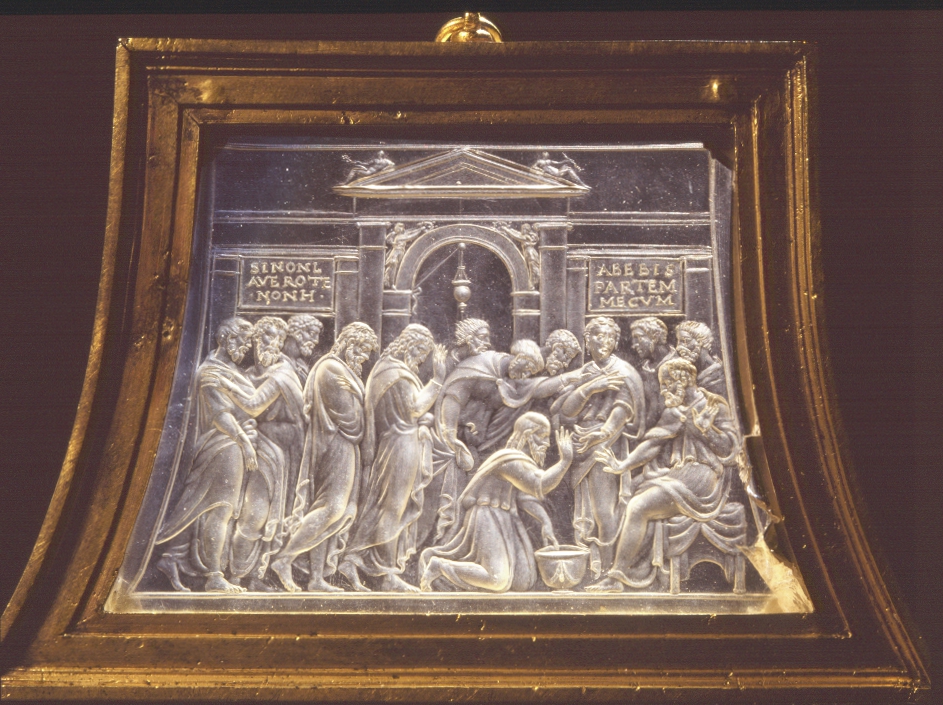
Gli effetti luministici giocarono un ruolo estremamente rilevante anche nei capolavori dell’orafo vicentino Valerio Belli, «scultore di luce»: i cristalli di rocca che egli incise con episodi sacri conservati in Museo (Inv. AP I 3; AP I 4) sono “assoluti punti d’arrivo nell’arte dell’incisione” (Villa).
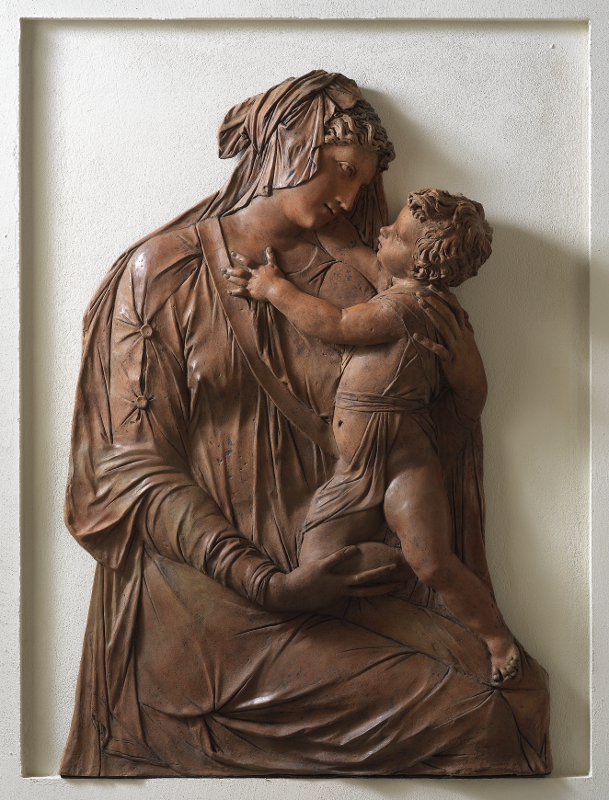
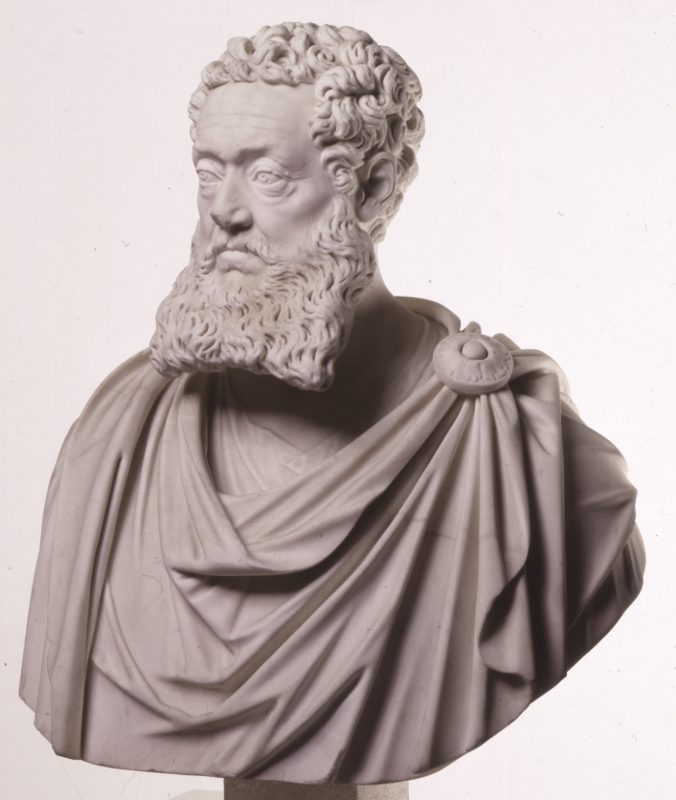
La collezione di Palazzo Chiericati conserva inoltre pezzi scultorei di notevole qualità risalenti al Cinquecento, come il Ritratto a mezzo busto di Vincenzo Pellegrini (Inv. S 182) scolpito in marmo da Alessandro Vittoria e la raffinatissima terracotta raffigurante la Madonna con il Bambino (Inv. S 269) di Sansovino.
Galleria Immagini
 |
 |
 |
 |
 |
 |
 |
 |
 |
 |
 |
 |
- “Maestro della Libreria Sagramoso” Tre fatti della vita di san Biagio: 25a san Biagio scoperto da un cervo in una grotta; 25b Supplizio di san Biagio; 25c Martirio di san Biagio
- Giambattista Cima detto da Conegliano Madonna in trono con il Bambino tra i santi Giacomo apostolo e Girolamo
- Bartolomeo Montagna Madonna adorante il Bambino tra le sante Monica e Maria Maddalena
- Bartolomeo Montagna La Madonna con il Bambino sotto un pergolato tra i santi Giovanni Battista ed Onofrio
- Bartolomeo Montagna Madonna in trono con il Bambino tra i santi Giovanni Battista, Bartolomeo, Agostino e Sebastiano e tre angeli musici. Nella predella Cinque fatti dalla vita di san Bartolomeo
- Bartolomeo Montagna Cristo portacroce
- Bartolomeo Montagna Presentazione di Gesù al Tempio
- Giovanni Bonconsiglio detto Marescalco Compianto su Cristo morto
- Giovanni Speranza de’ Vajenti La Vergine assunta in una gloria di angeli; in alto il padre Eterno; in basso i santi Tommaso e Girolamo
- Marcello Fogolino Adorazione dei Magi; nella predella: Annunciazione, Natività, Fuga in Egitto
- Marcello Fogolino San Francesco d'Assisi riceve le stigmate tra i santi Chiara e Pietro, Bartolomeo di Breganze (?) e i santi Paolo e Bernardino
- Jacopo Dal Ponte, detto Bassano Adorazione del Bambino e gli angeli con gli strumenti della passione
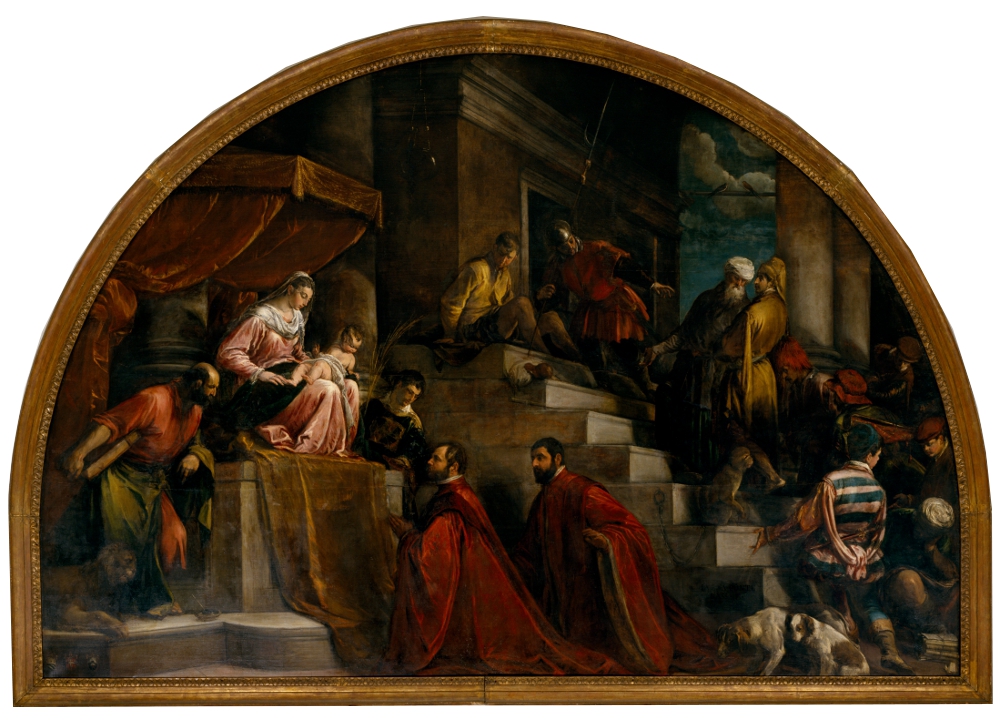
- Jacopo Dal Ponte, detto Bassano I Rettori di Vicenza Silvano Cappello e Giovanni Moro inginocchiati dinnanzi alla Madonna in trono tra i santi Marco e Vincenzo
- Prospero Fontana Sacra Famiglia con i santi Elisabetta e Giovannino
- Giovanni Demio Adorazione dei Magi
- Giovanni Antonio Fasolo Ritratto di Giuseppe Gualdo con i figli Paolo e Paolo Emilio
- Jacopo Robusti, detto Tintoretto Sant’Agostino risana gli sciancati
- Giovanni Antonio Fasolo Ritratto di Paola Bonanome Gualdo con le figlie Laura e Virginia
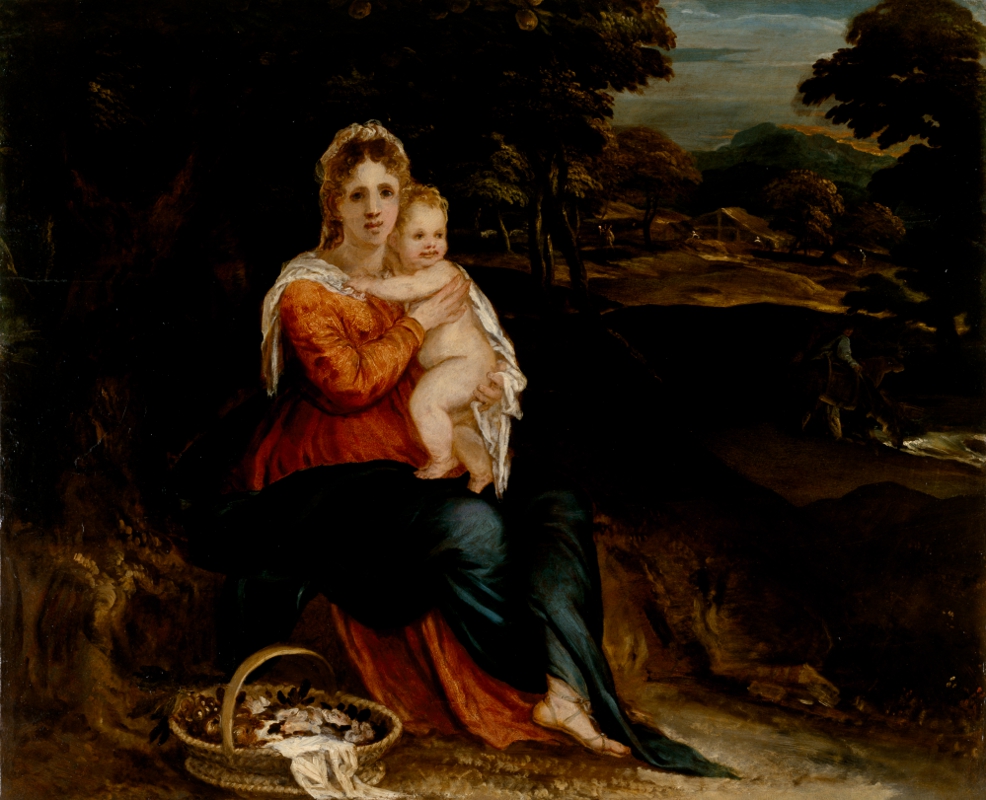
- Lambert Sustris Riposo durante la fuga in Egitto
- Paolo Caliari, detto Veronese Madonna con il Bambino, una santa martire e Pietro
- Alessandro Maganza Flagellazione
- Paolo Caliari, detto Veronese Putto alato
- Francesco Dal Ponte, detto Bassano Ritratto di guerriero con fanciulla
- Leandro Dal Ponte, detto Bassano Nozze di Cana
- Jacopo Tatti detto Sansovino Madonna con il Bambino
- Alessandro Vittoria Ritratto a mezzo busto di Vincenzo Pellegrini
- Valerio Belli Lavanda dei piedi
- Valerio Belli Andata al Calvario