

Il Trecento e il Quattrocento
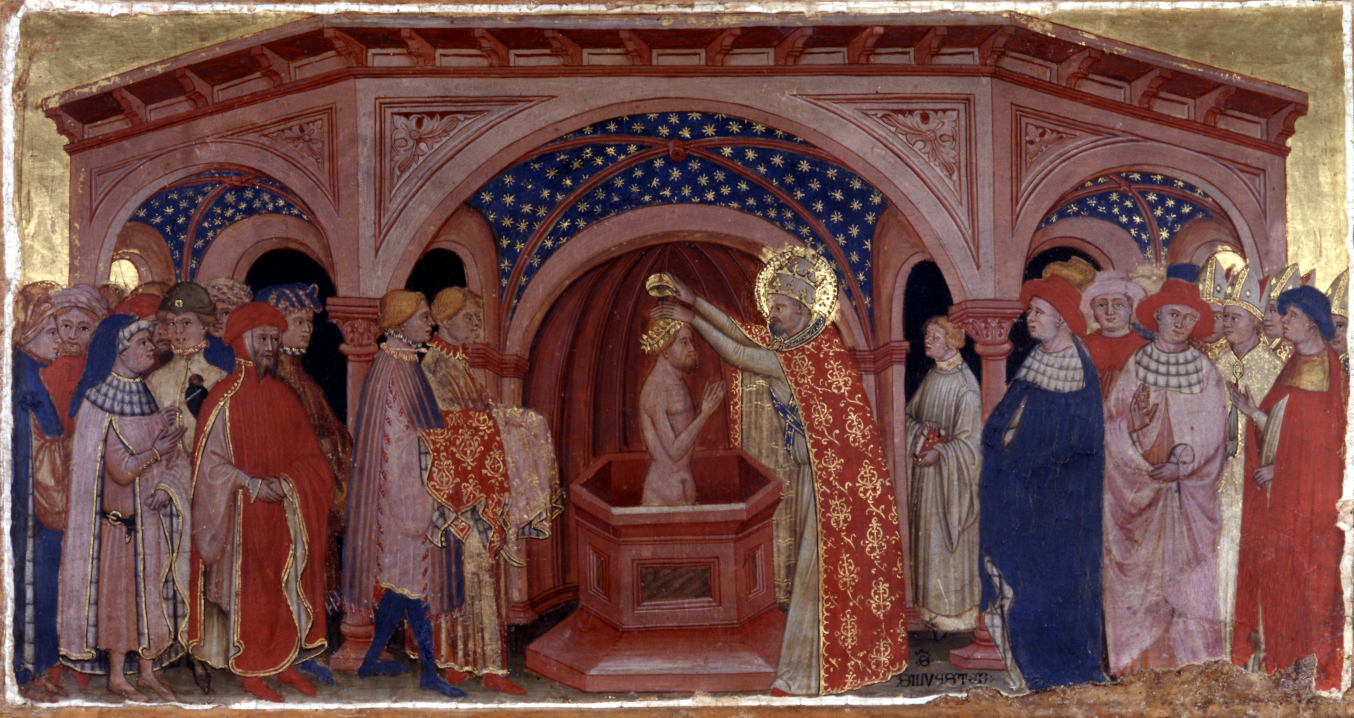
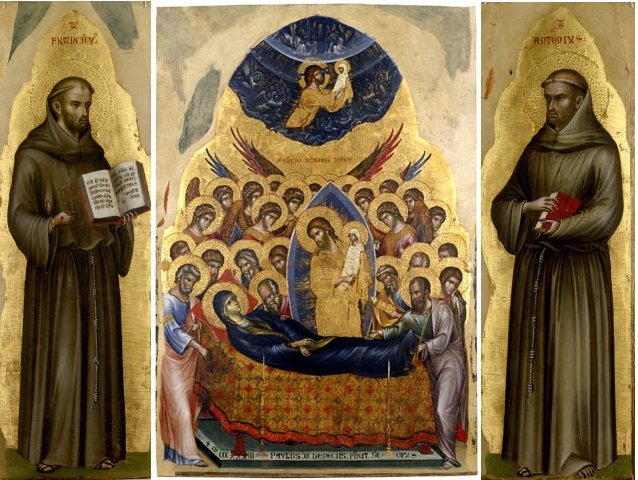
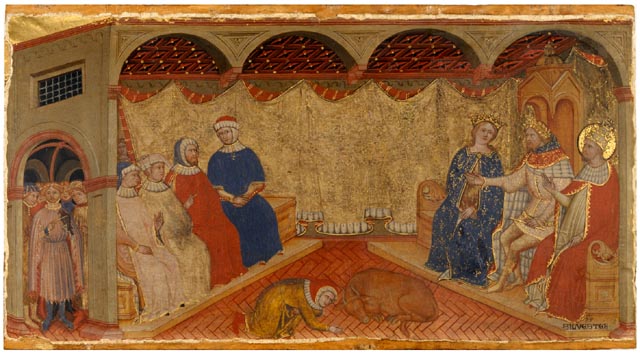
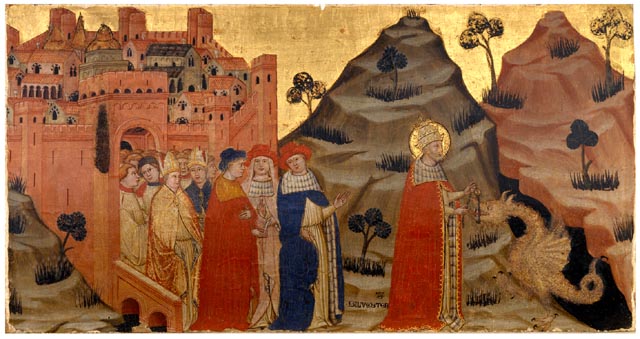
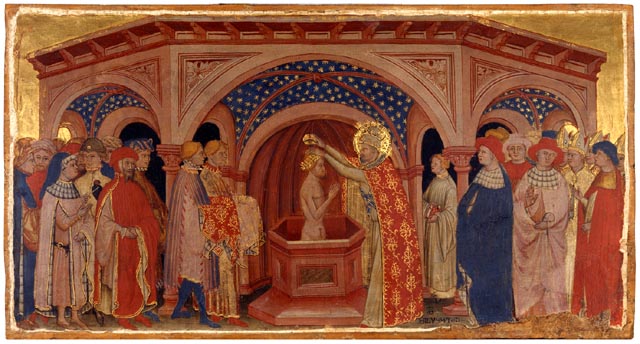
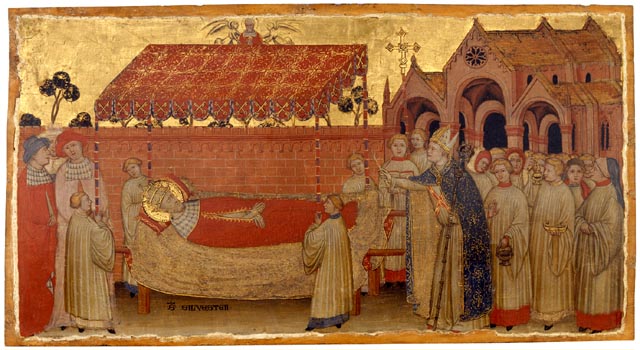
La Pinacoteca custodisce alcune rare e preziose opere del Trecento e del Quattrocento. Tra tutte spicca il polittico di Paolo Veneziano (Inv. A 157), uno dei “pezzi unici” del Museo, autentico capolavoro della storia dell’arte italiana. Questo straordinario dipinto dimostra come, a quelle date, la tradizione pittorica veneziana costituisse un modello imprescindibile per la nascente cultura figurativa vicentina, che andava delineando i propri caratteri peculiari all’interno delle prime botteghe locali, attratte anche dalla realtà veronese. All’interno della più prestigiosa di queste si distinse, agli inizi del Quattrocento, Battista da Vicenza, “pittore caratterizzato dal gusto per la narratività di soggetto sacro, per le storie «da leggersi», per un’espressività immediata” (Villa).
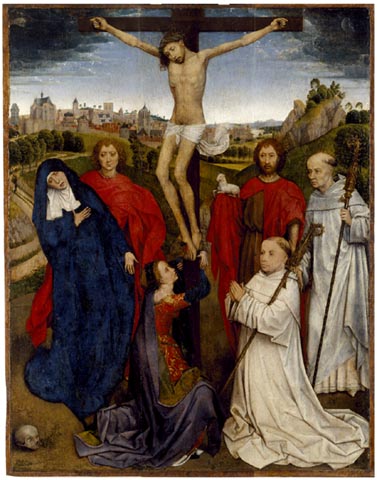
Pochissime sono le testimonianze sia nel campo della pittura che nel campo della scultura degli esordi della cultura artistica vicentina, che attorno alla metà del Quattrocento cominciò a guardare alla vicina Padova. Gli artisti locali iniziarono infatti a recuperare le novità proposte dalla tradizione artistica padovana negli anni tra il 1450 e il 1470, superando così lo stile gotico internazionale e rimanendo contemporaneamente affascinati dalle innovazioni della pittura fiamminga quattrocentesca (documentata in Museo dalla tavola di Hans Memling, Inv. A 297).
Si gettarono così le basi per la nascita e il consolidamento, nell’ultimo quarto del secolo XV, della “grande scuola vicentina”, di cui fu eccellente interprete Bartolomeo Montagna.
Galleria Immagini
 |
 |
 |
 |
 |
 |
 |
 |
 |
 |
 |
 |
- Paolo Veneziano Dormitio Virginis, San Francesco d’Assisi, Sant’Antonio da Padova
- Battista da Vicenza Disputa di san Silvestro con i rabbini di Roma alla presenza di Costantino ed Elena
- Battista da Vicenza San Silvestro papa debella il drago della rupe Tarpea
- Battista da Vicenza San Silvestro papa battezza Costantino in Laterano
- Battista da Vicenza Morte di san Silvestro
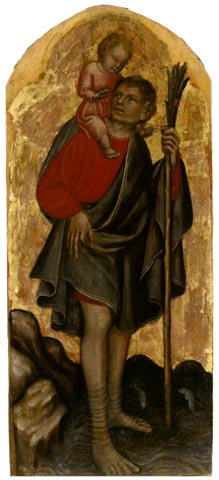
- Giovanni Badile San Cristoforo
- Hans Memling Cristo crocifisso con la Madonna, i santi Giovanni evangelista e Battista, la Maddalena e due abati cistercensi
- Antonio Rizzo e bottega Effigie commemorativa di Giovanni di Giorgio Emo
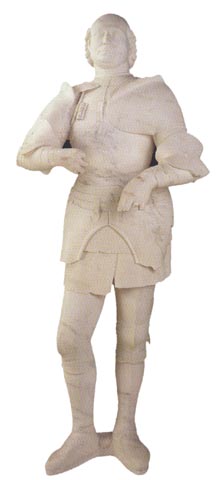
- Alberto Maffioli Francesco Sforza
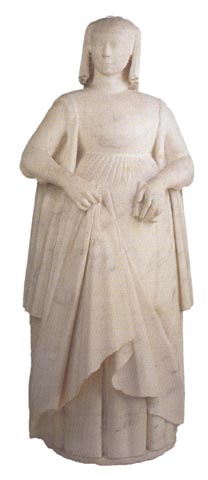
- Alberto Maffioli Bianca Maria Visconti
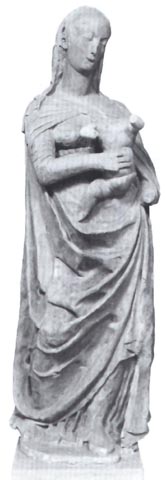
- Scultore lombardo-veneto Madonna con il Bambino
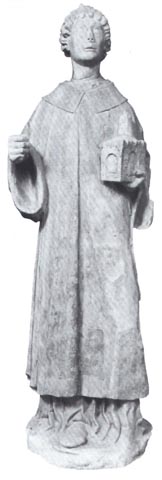
- Scultore lombardo-veneto San Vincenzo
- Scultore lombardo-veneto San Cristoforo